
Rhododendron Species Botanical Garden
Steve Hootman, Executive Director and Curator
January 29, 2024
When I am walking through the Rhododendron Species Botanical Garden, I am usually thinking about all the work that needs doing. At the same time, I am also taking note of the successes – arrived at through either skill or luck (or a combination of both), and the failures – arrived at through the lack of either, pondering the whys and how’s. All in all, the garden and its collection have matured beautifully since the initial plantings in the 1970s and I feel extremely fortunate to have had the opportunity to be a part of it these past few decades.
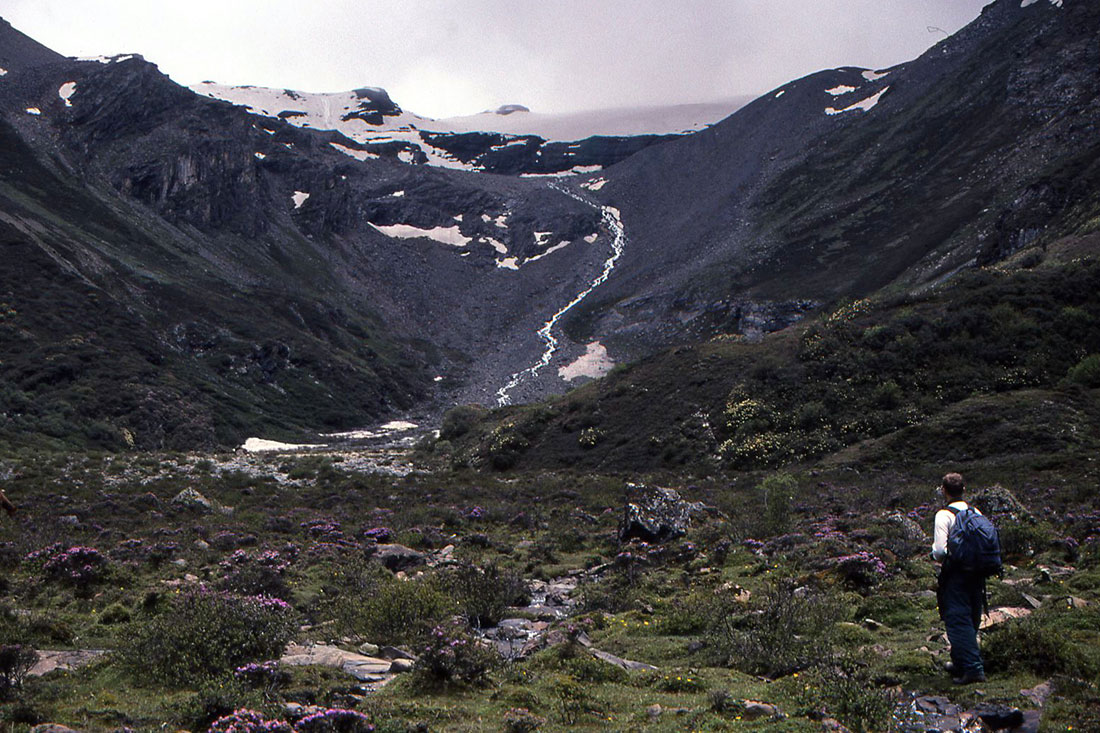
A woody plant collection reliant primarily on plants grown from seed from wild sources as the backbone of the entire garden is a lesson in patience. Rhododendrons and other large shrubs and trees typically take many, many years to reach their full potential in the landscape. With this in mind, it is with great satisfaction to observe a towering Rhododendron rex with huge, lush and leathery leaves or a 40-foot-high specimen of the dove tree – Davidia involucrata, in full flower. Both grown from seeds I collected in the wild almost 30 years ago and both appearing to simply be natural elements of our native forested landscape – a lesson in “contrived naturality” which I feel is so important in a woodland garden.
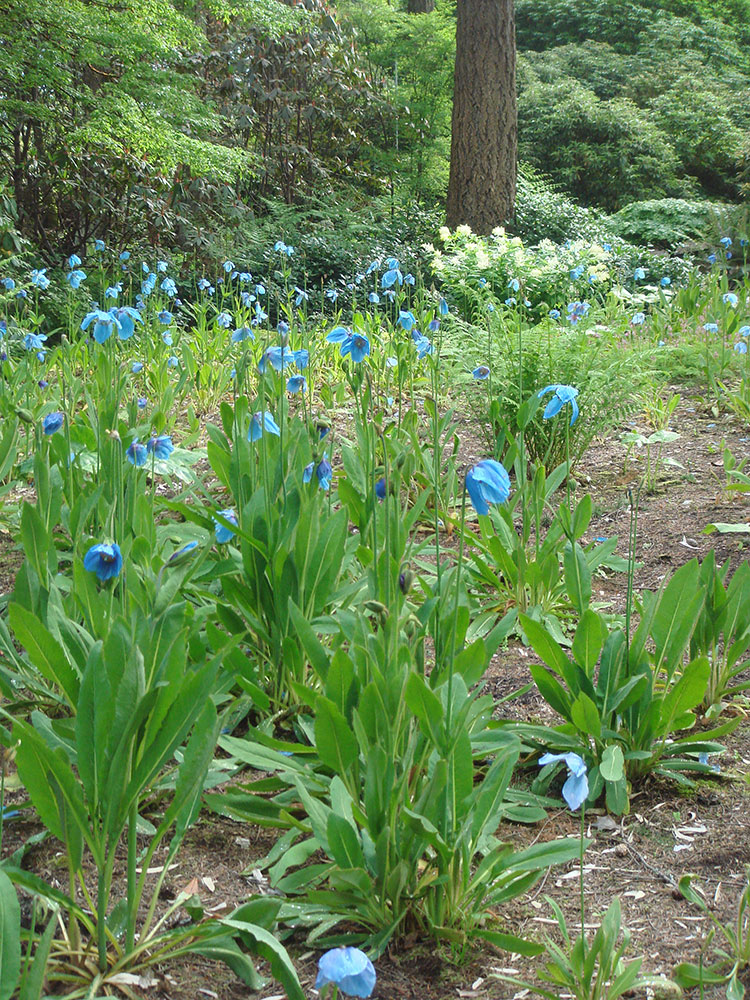
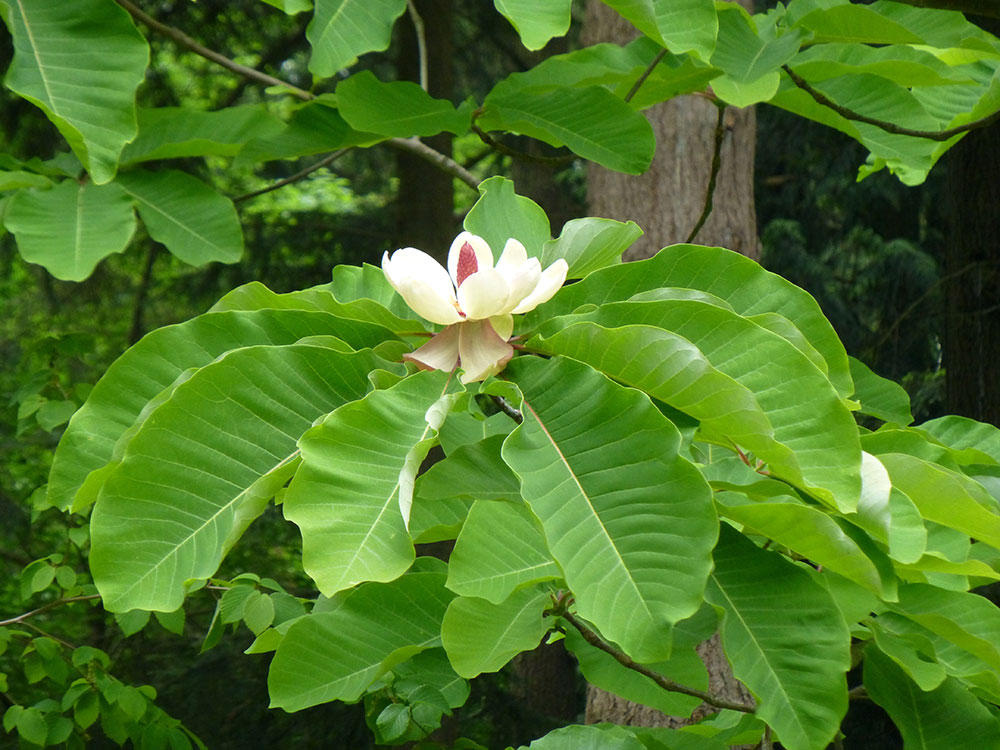
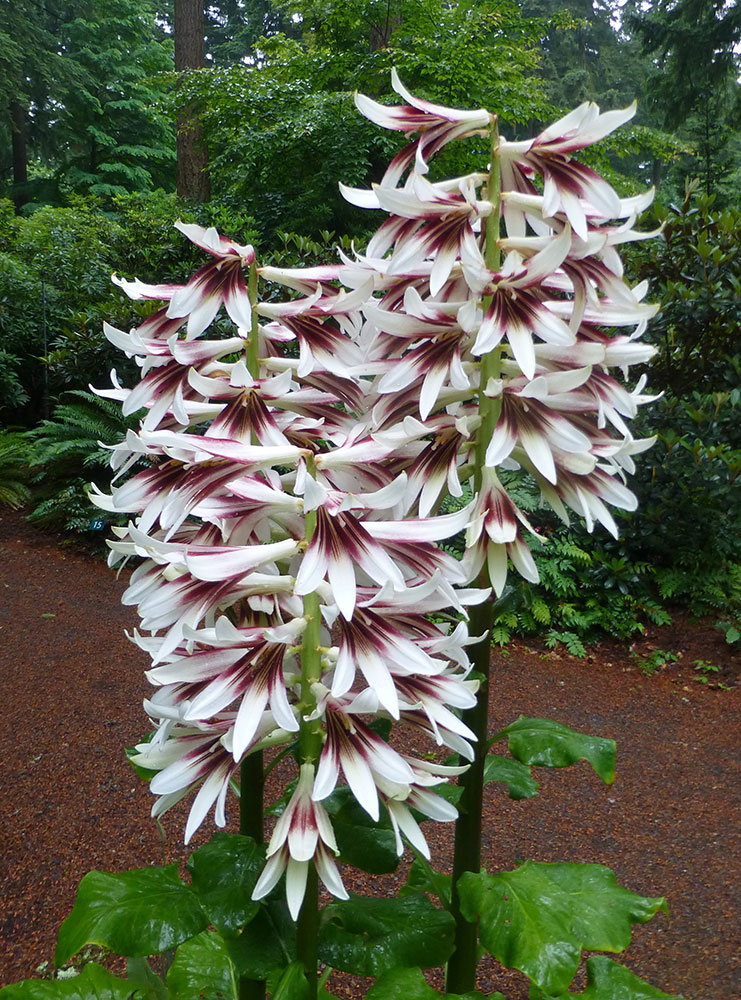
In light of this, I particularly enjoy providing our guests with the ability and opportunity to walk through what seems to be a typical, unmanaged, lowland Pacific Northwest forest full of Douglas fir, sword ferns, salal and other native plants. At the RSBG, however, with every step, the visitor is surprised to find some strange and beautiful, exotic plant that they have never seen before, or even heard of – awareness leads to knowledge.