
Heronswood Garden
Ross Bayton, Director
August 29, 2022
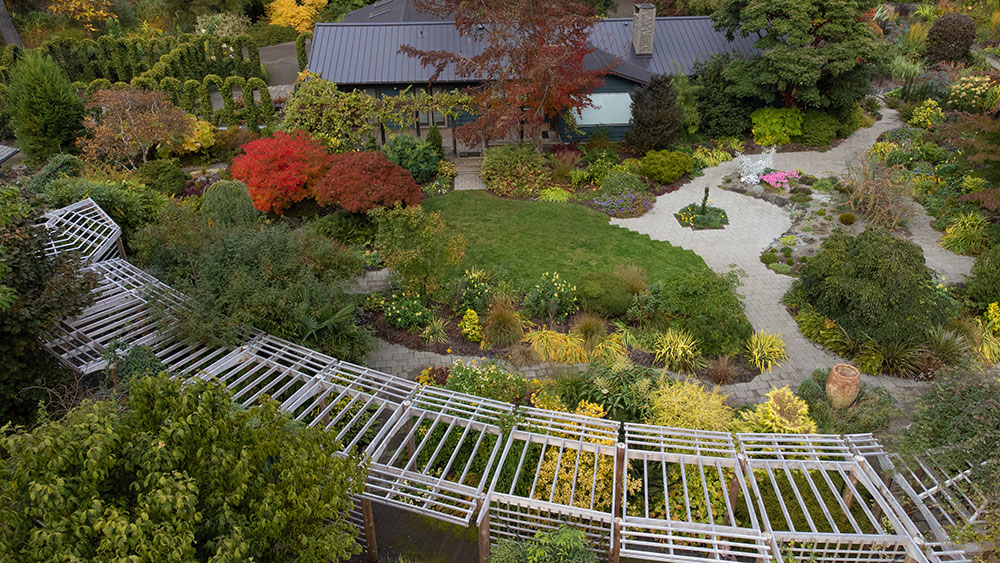
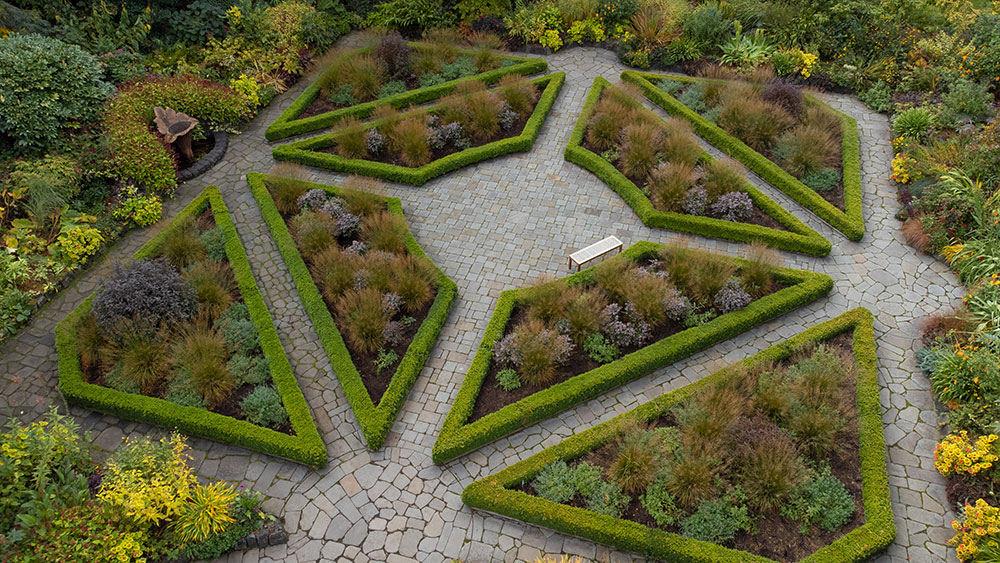
Skippers. A kind of butterfly, but really, somewhere between a butterfly and a moth. Butterflies rest with their wings folded behind their backs, while moths hold their wings flat against a surface. Skippers don’t neatly fit into either category, with their forewings behind their backs and their hindwings spread flat. In gardening terms, I’ve always felt like a skipper. I enjoy growing plants, as do all gardeners, but I also want to know how they work, an outgrowth of my scientific background. Which is why I feel so much at home at Heronswood. We care for a beautiful garden with carefully cultivated plants blended into an astounding landscape. At the same time, we document each plant, record its location and origin, and revel in each new stage of its life: first leaves, first flowers, first fruits. The joy of the botanical garden is to bring together both those who appreciate the beauty of plants and those who understand the purpose of that beauty.
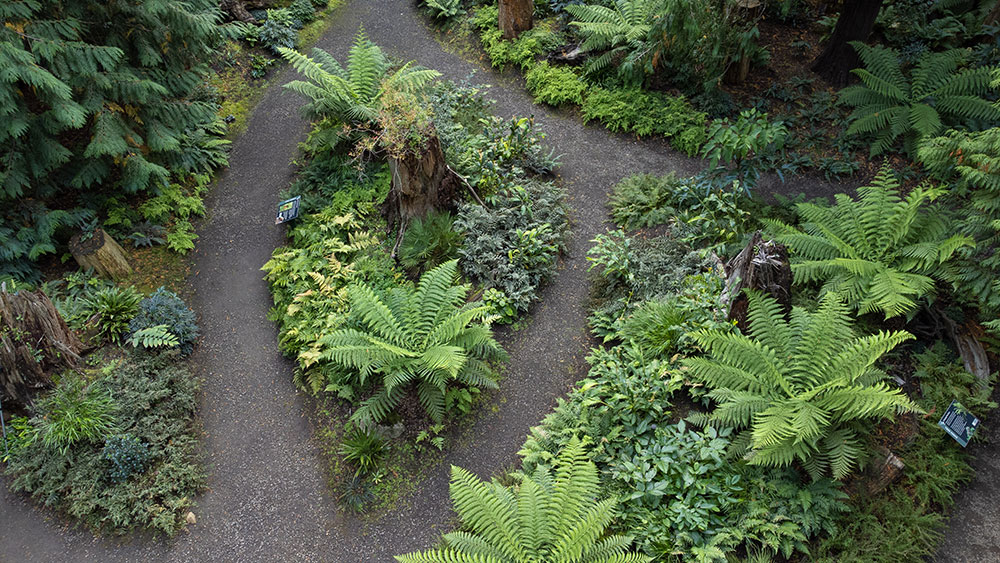
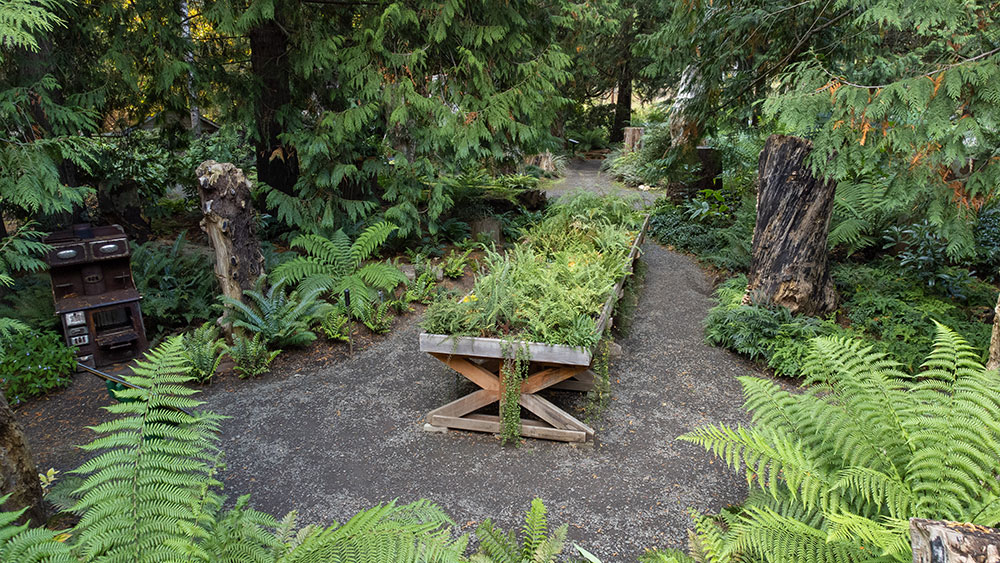
But botanical gardens are not just about plants; they are as much about people. For countless years, Heronswood has served as a refuge for enthusiasts, a place where they (I mean ‘we’) could indulge in their passion for rare and unusual plants. I hope that it remains just such a place, but increasingly, Heronswood has a new goal. At a time when plants are struggling against the twin tides of climate change and biodiversity loss, botanical gardens must reconnect people with their green heritage. As a garden owned by an indigenous people, that is an especially significant aim. For centuries, native people managed the landscapes they inhabited, benefiting the plants that lived with them, but that connection was severed. Heronswood is bringing together the Port Gamble S’Klallam and their heritage plants, to reawaken this longstanding connection in the hopes that it will not only ensure the plants’ future survival, but also benefit the people who have for so long protected and nourished this crucial resource. We hope that this will result in a rich, diverse ecosystem filled with plants, both native and cultivated, treasured by people and home to countless other species, including skippers. Full circle.