
Composting at Bloedel Reserve
Sean Peterson
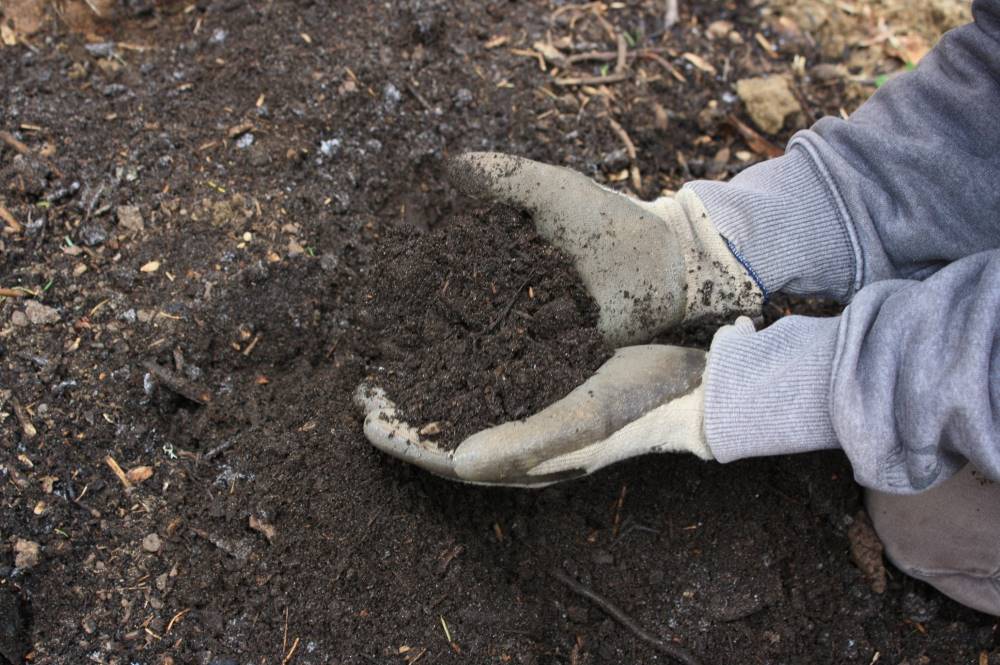
Bloedel Reserve’s 5-year strategic plan is based on sustainability in all its forms—environmental, social, and economic. One focus of developing a more environmentally sustainable model is the implementation of a forest and garden management plan that addresses the growing climate, water, and biodiversity challenges faced in this region. Composting is a key piece of this plan.
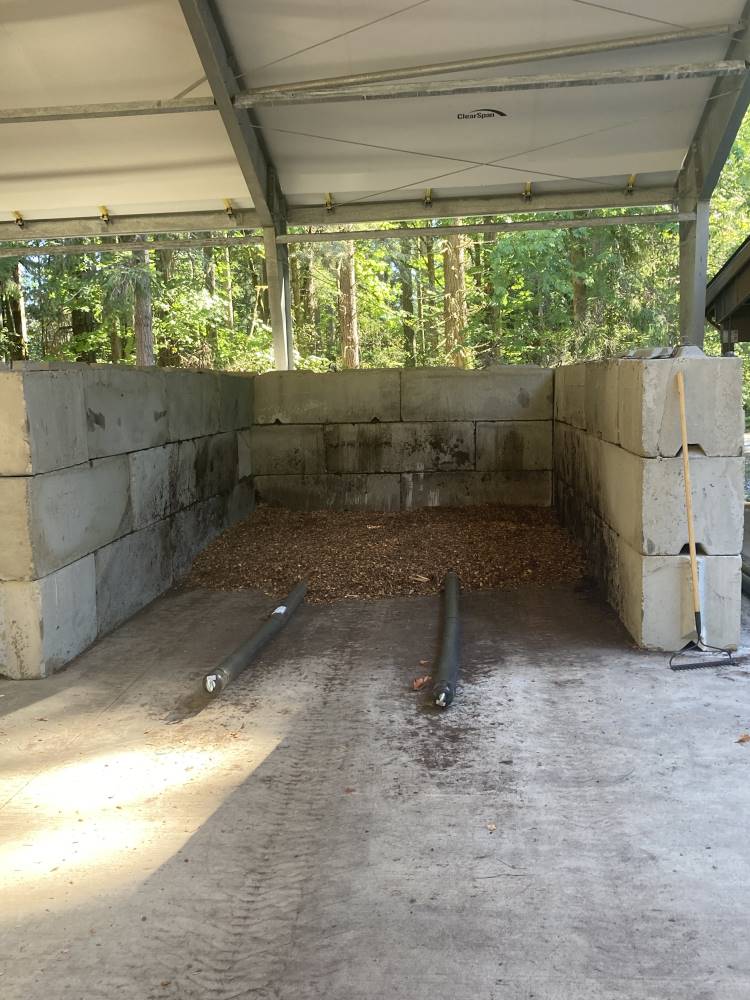
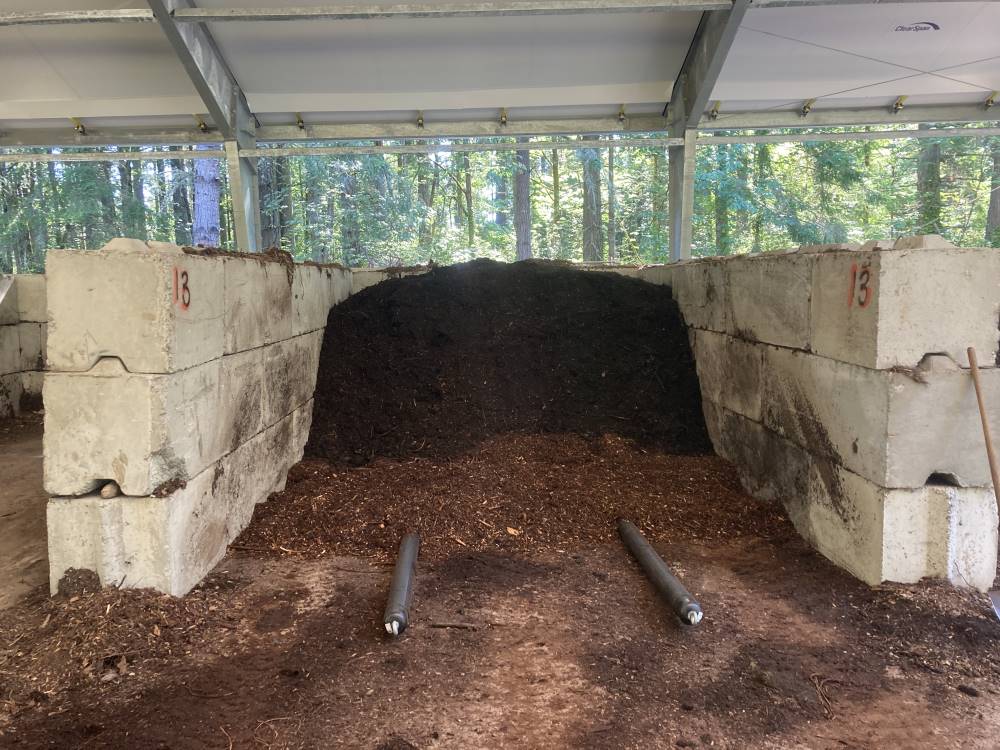
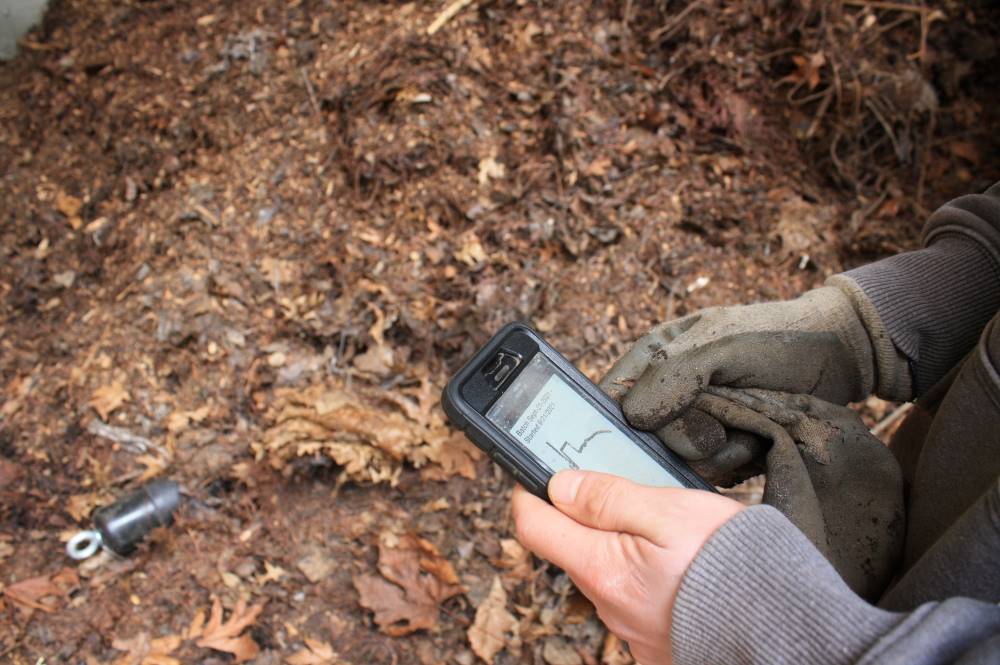
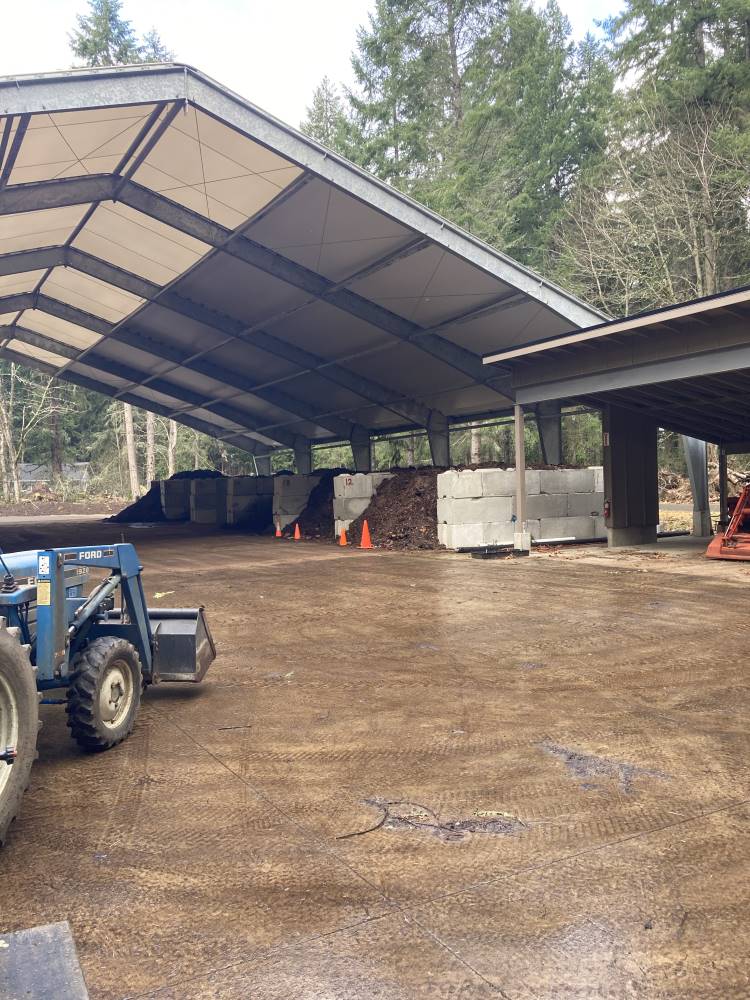
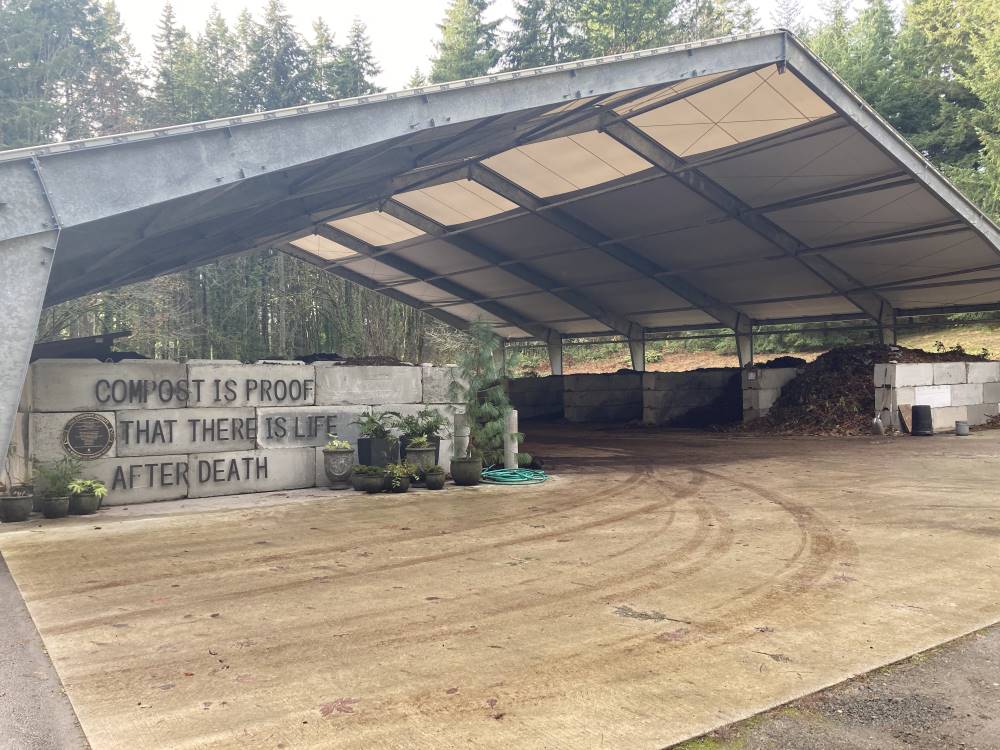
The Compost Facility was completed in March of 2021 and has expanded our capacity, cut production time, improved our compost quality, saved money, and is helping us reduce the spread of harmful plants and diseases. Several bays in our compost facility are equipped with Aerated Static Pile (ASP) technology which allows the composting process to take place without having to turn the piles. Small fans force air through buried pipes beneath the pile and sensors make sure the mixture is “cooking” at optimal temperatures.
Our goal at Bloedel Reserve is to minimize the amount of waste that we create. If people started to compost more at home, then we would be sending far less waste to landfills. Composting can also help with reducing greenhouse gases by promoting uptake of carbon dioxide by vegetation.
Learn more about composting and our state-of-the-art facility on our website here:
bloedelreserve.org/composting-3
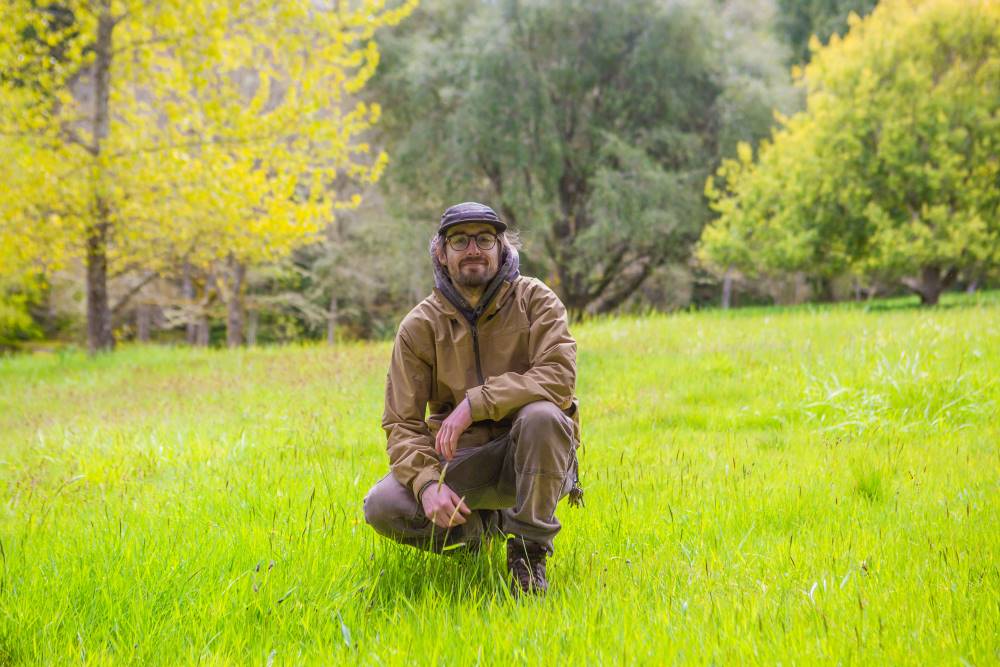
Sean Peterson is Gardens North Manager at Bloedel Reserve.