
University of Washington Botanic Gardens
Ray Larson, Curator and Associate Director
September 19, 2022
The University of Washington Botanic Gardens, with nearly 90 years of history, has been enjoyed by generations of people in the Puget Sound region. As the largest public garden in Washington State, with one of the most diverse woody plant collections in the North America, it is a showcase for plants of the temperate world in this great climate for growing them. As lifelong Seattle resident, I grew up enjoying the UW Botanic Gardens, and it is a privilege to be able to steward and shape the collections and gardens of such a well-loved place.
With 310 acres of gardens and natural areas at the Washington Park Arboretum and Center for Urban Horticulture (CUH), it is hard to just settle on a few as personal favorites. But some gardens and collections hold particular fondness.
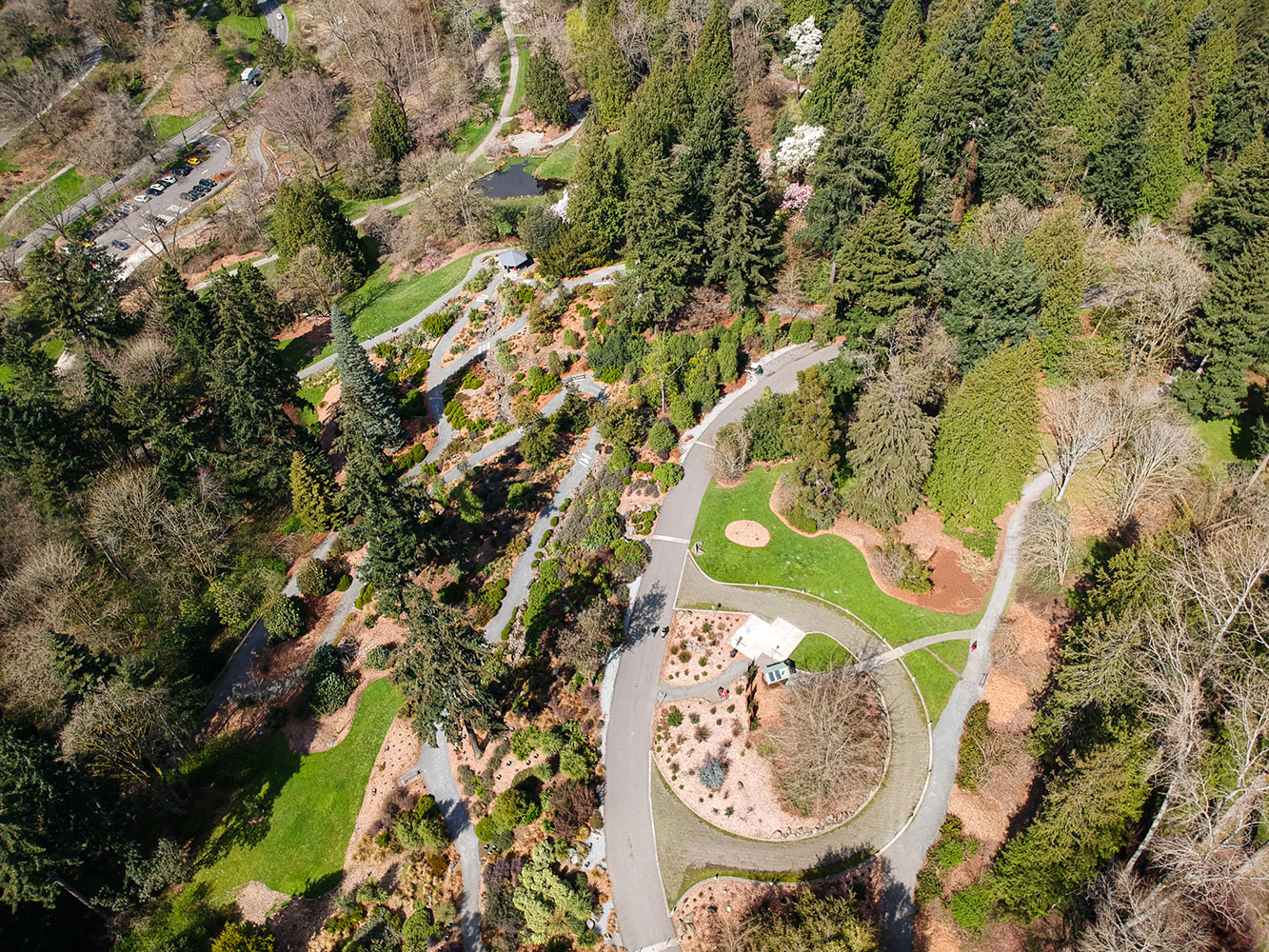
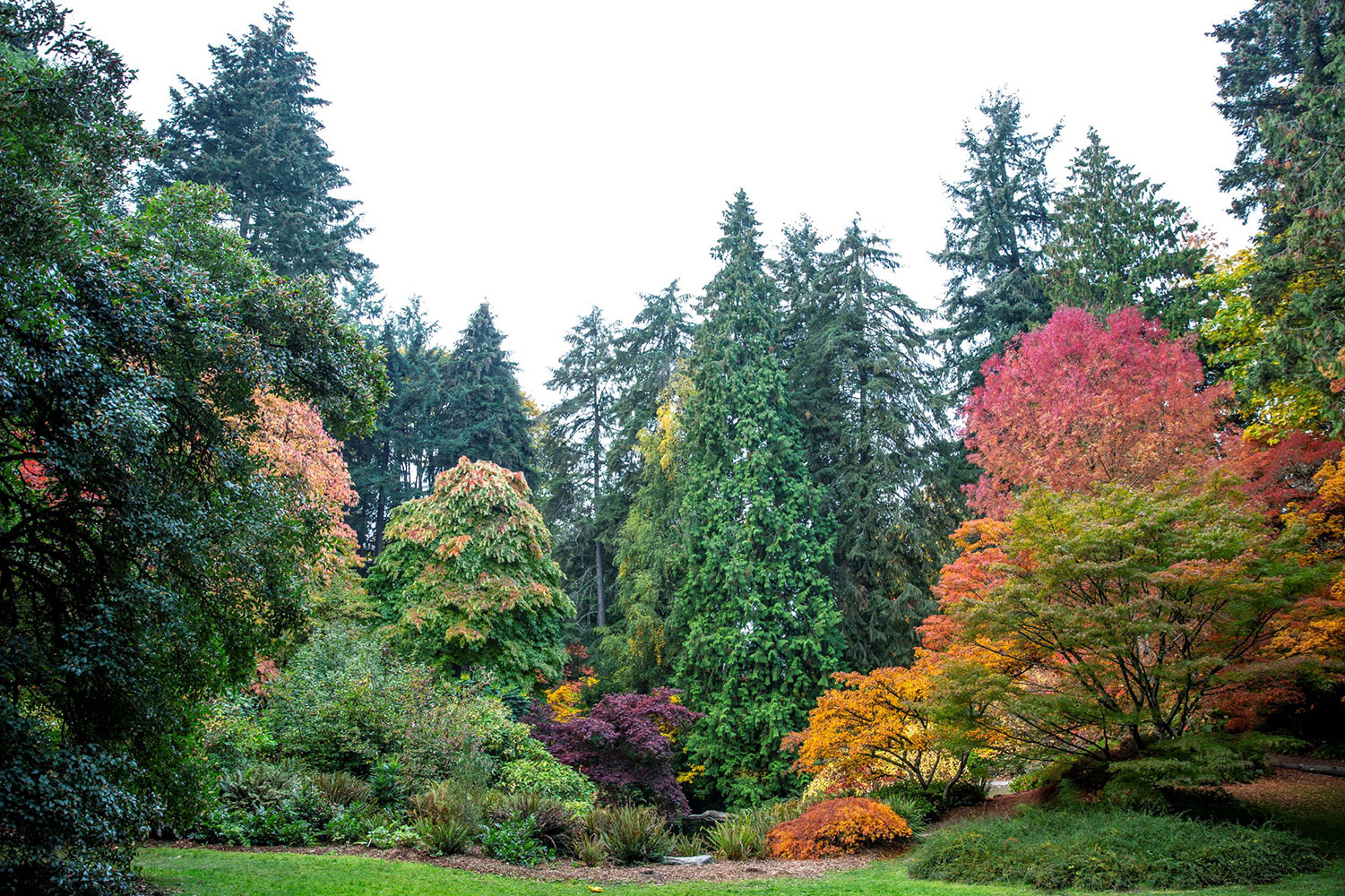
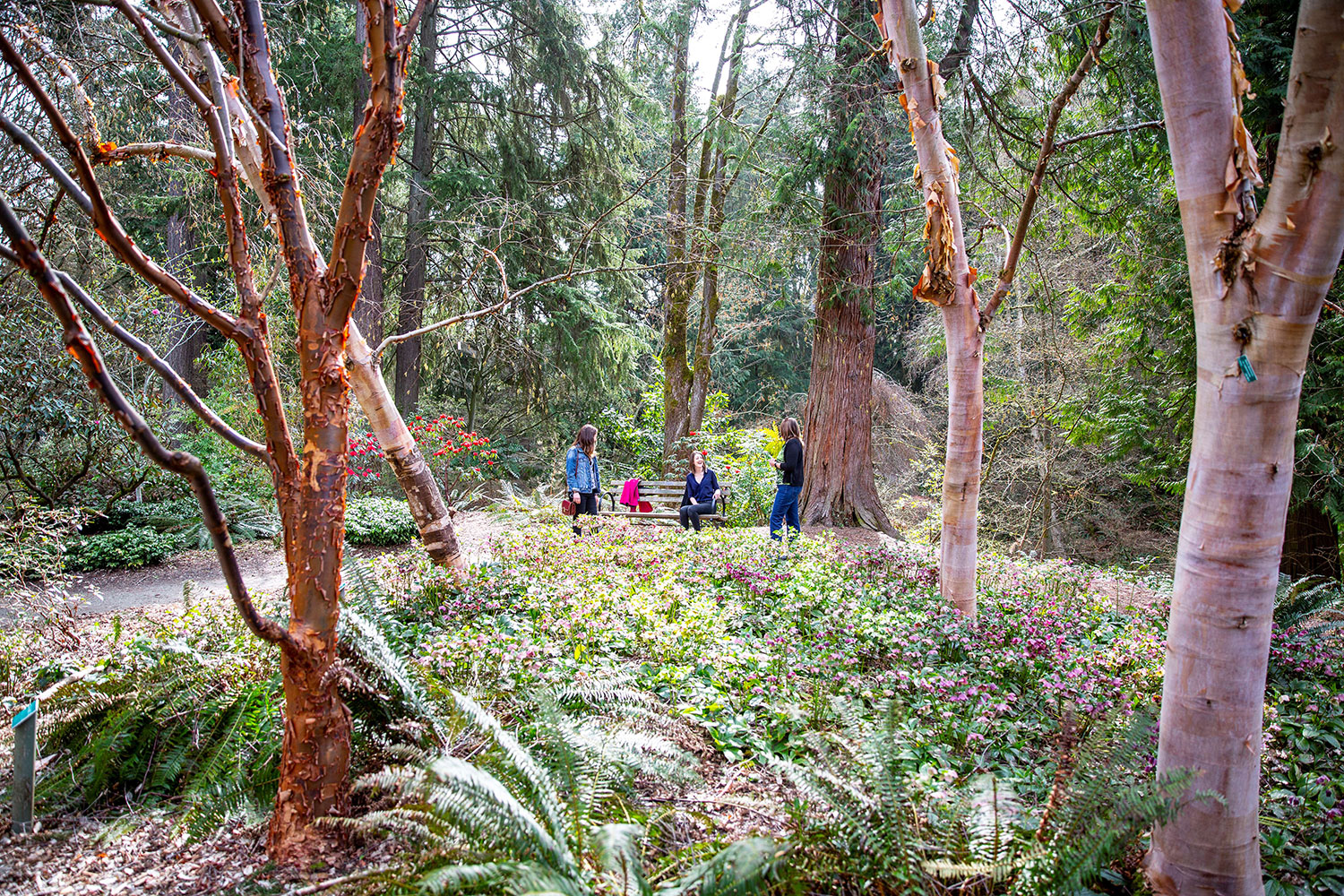
A personal favorite, in any season, has always been the Witt Winter Garden at the Arboretum. Besides offering blooms, fragrance and color throughout our darker winter months, the great diversity of plants set among our native conifers never ceases to delight visitors. The adjacent Woodland Garden features a diverse and layered planting of shrubs and trees along two ponds and a seasonal stream. Autumn brings some of the best fall color to be found in the Seattle area.
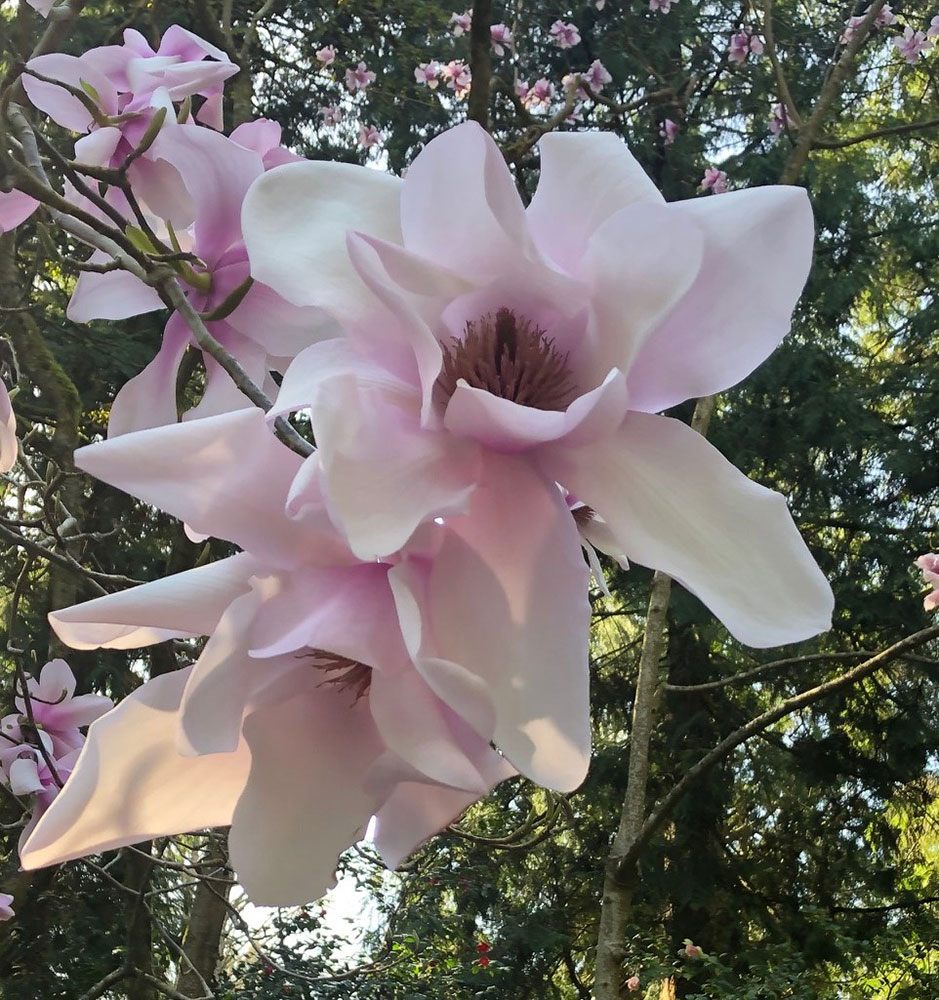
Rhododendron Glen offers a wonderful display of plants in that large and ornamental family, Ericaceae, with a small stream following rockeries, pools, and channels down to Azalea Way below. Large magnolias mingle with mature conifers—including some of the tallest dawn redwoods in cultivation—at the top of the Glen. A yearslong project to restore and expand the Glen’s plantings and enhance the stream has been particularly rewarding to work on.
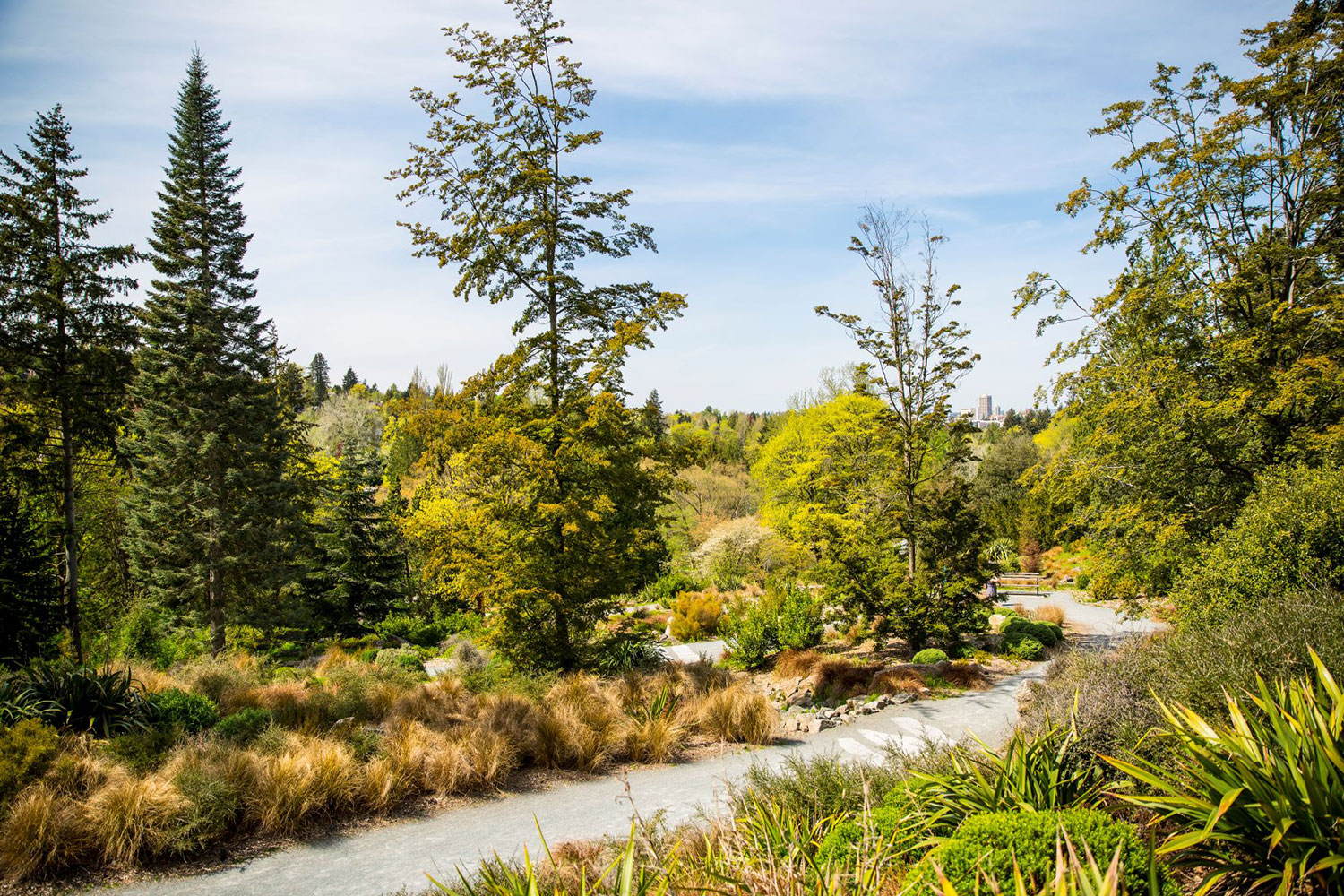
In the newer Pacific Connections Garden, visitors can see flora from regions of New Zealand, Chile, Southeast Australia, the Pacific Northwest and China—and a diversity of species less familiar in Northwest gardens. It’s been rewarding to help develop these gardens and learn about and share some of the botanical and cultural stories of these places.
At CUH, the McVay Courtyard and Goodfellow Grove have always inspired with their plantings, hardscape and references to the rain and water that is so much a part of our lives and gardens during the cooler months. The Soest Herbaceous Display Garden offers spaces to experiment with perennials in a variety of soils and light conditions, all with a view of Mt. Rainier. The Union Bay Natural Area has been transformed in recent decades from former landfill to a thriving and diverse landscape of native plants and abundant wildlife. The public Elisabeth Miller library also offers a great place to study and learn about plants and landscapes. I’m lucky to have the best horticultural reference library in the Northwest just down the hall.
I’m fortunate to be able to play a small part in shaping a vast botanical landscape in the middle of a growing and bustling city. In my time as Curator of Living Collections and now Associate Director, it’s been wonderful being part of such a vibrant public garden community and rewarding to help share the wonder of plants with visitors of all ages and backgrounds.